Workday Inc. (WDAY) — Long-Term Analysis Fundamental + Technical ·
Attractively valued, but a "show-me" story
At ~11.7x FCF and ~2.9x EV/Revenue, WDAY trades near its cheapest level in years despite $2.8B in annual free cash flow and a $28B+ backlog. The core thesis rests on: (1) FCF compounding at 15–20%/yr as margins expand toward 32–35%, (2) Flex Credits monetization proving that AI upsell offsets any seat-count pressure, and (3) Finance management penetration widening the TAM. The key risk is that growth structurally slows to high-single digits if agentic AI reduces headcount and therefore per-seat licensing. Analysts' consensus Buy with avg. target ~$182 implies ~47% upside. Entry at current levels appears compelling on a 3–5 year view, provided the AI model transition executes.
Fundamentals — What the numbers say
In fiscal year 2026, Workday posted total revenues of $9.55 billion, up 13.1% from fiscal 2025, with subscription revenues of $8.83 billion growing 14.5% year-over-year. Free cash flows reached $2.78 billion, a 26.7% increase from the prior year, and non-GAAP operating income came in at $2.82 billion, or 29.6% of revenues. These are genuinely strong cash generation numbers for a company now trading near its cheapest EV/FCF in years.
Workday ended fiscal 2026 with a 97% gross revenue retention rate, a $28.1 billion subscription backlog, over $400 million in emerging AI ARR, and AI-linked expansion deals that averaged nearly 50% larger in size. That backlog figure is essentially multi-year revenue already under contract — a meaningful cushion against near-term uncertainty.
The core Risk: AI & the per-seat model
The takeaway from Workday's fiscal Q4 2026 report is clear: the era of "easy growth" in SaaS is over. The 12–13% growth guidance is a sober admission that the transition to an agentic workforce is a marathon, not a sprint.
Workday is pivoting its pricing architecture with the introduction of Workday Flex Credits — a consumption-based model that allows enterprises to pay for specific AI outcomes and "agents" they utilize, reflecting the industry-wide move away from headcount-based pricing. This is the right strategic direction, but execution risk is real.
AI Strategy & Growth Levers
Workday positions itself as an enterprise AI platform managing people, money, and agents, serving more than 11,500 organizations and over 75 million contracted users. The company is expanding into AI agents for hiring, frontline worker experiences, and financial processes, with targeted acquisitions of Flowise, Paradox, Sana, and Pipedream to deepen AI capabilities.
Workday's penetration in the Finance market is roughly half of its HCM market share — success there could effectively double the company's total addressable market. International growth is another greenfield, as the company still generates the vast majority of its revenue in the U.S.
Valuation — Finally reasonable
Simply Wall St estimates WDAY is trading at roughly 51.9% below their estimate of its fair value. At ~$124/share, the market prices in considerable pessimism: ~11.7x FCF, ~2.9x EV/Revenue, and ~13.5x non-GAAP earnings — well below historical SaaS premiums.
Based on 32 Wall Street analysts, the average 12-month price target is $182.59 with a high of $300 and a low of $115, representing about 47% potential upside from current levels. The consensus rating is Moderate Buy, with 19 buy ratings and 13 hold ratings.
Technical Breakdown & Trend Shift
Workday (WDAY) is showing a clear trend breakdown after years of higher highs and higher lows. Price has decisively fallen below key moving averages (21, 50, 200 EMA), with bearish alignment now forming. This shift confirms a transition into a downtrend, supported by strong downside momentum and heavy selling pressure. RSI near oversold (~30) may trigger a short-term bounce, but it doesn’t signal a confirmed bottom in a weakening structure.
From a levels perspective, $120 is the immediate support, with $100 as the next psychological zone. On the upside, $150–$180 becomes strong resistance, followed by the 200 EMA near ~$215. Unless price reclaims that zone, the broader outlook remains bearish, and any bounce is likely to be a relief rally within a larger downtrend.
Bottom line for a 3–5 year investor
WDAY is a high-quality compounder undergoing a painful business model transition. The bear case is real — AI agents could structurally reduce headcount-based licensing revenue. But the bull case is also compelling: $2.8B in annual FCF, a $28B backlog, 97% retention, founder-led management, and a stock down ~60% from peak. If the Flex Credits/consumption model gains traction and Finance module penetration deepens, the stock has significant re-rating potential.
This is not financial advice. WDAY involves meaningful execution and AI-disruption risk. Consider your own risk tolerance and consult a financial advisor.
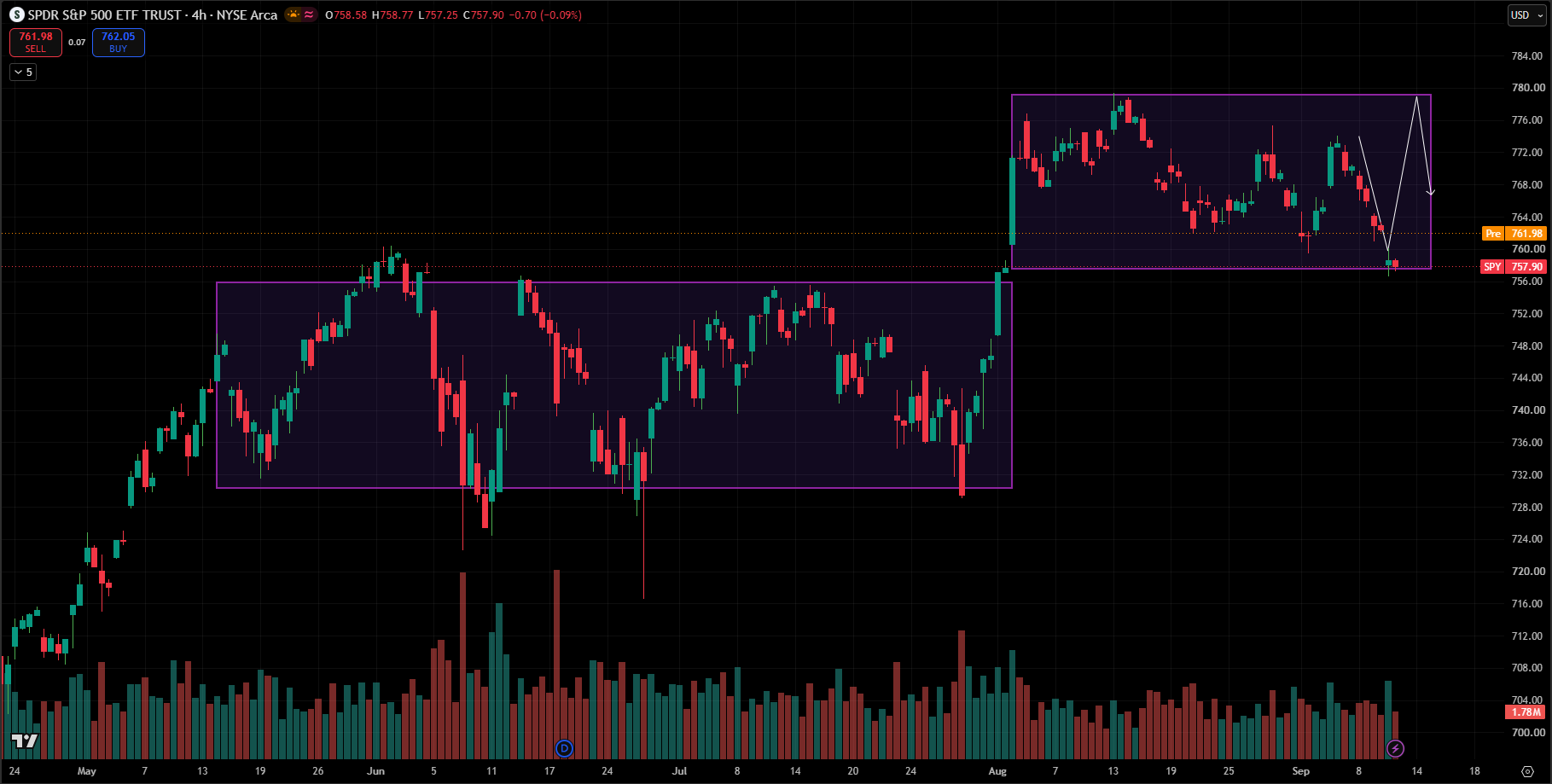
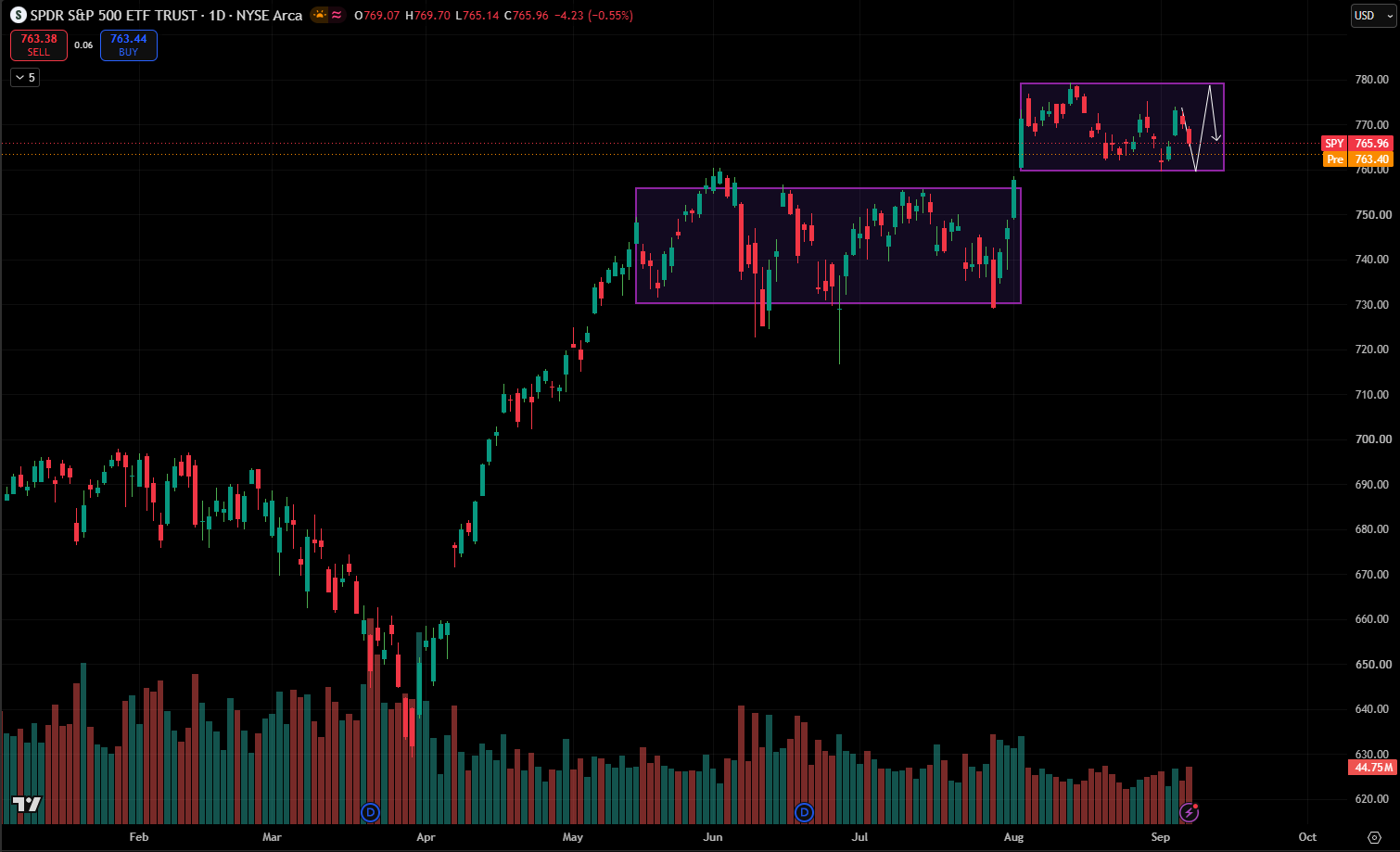
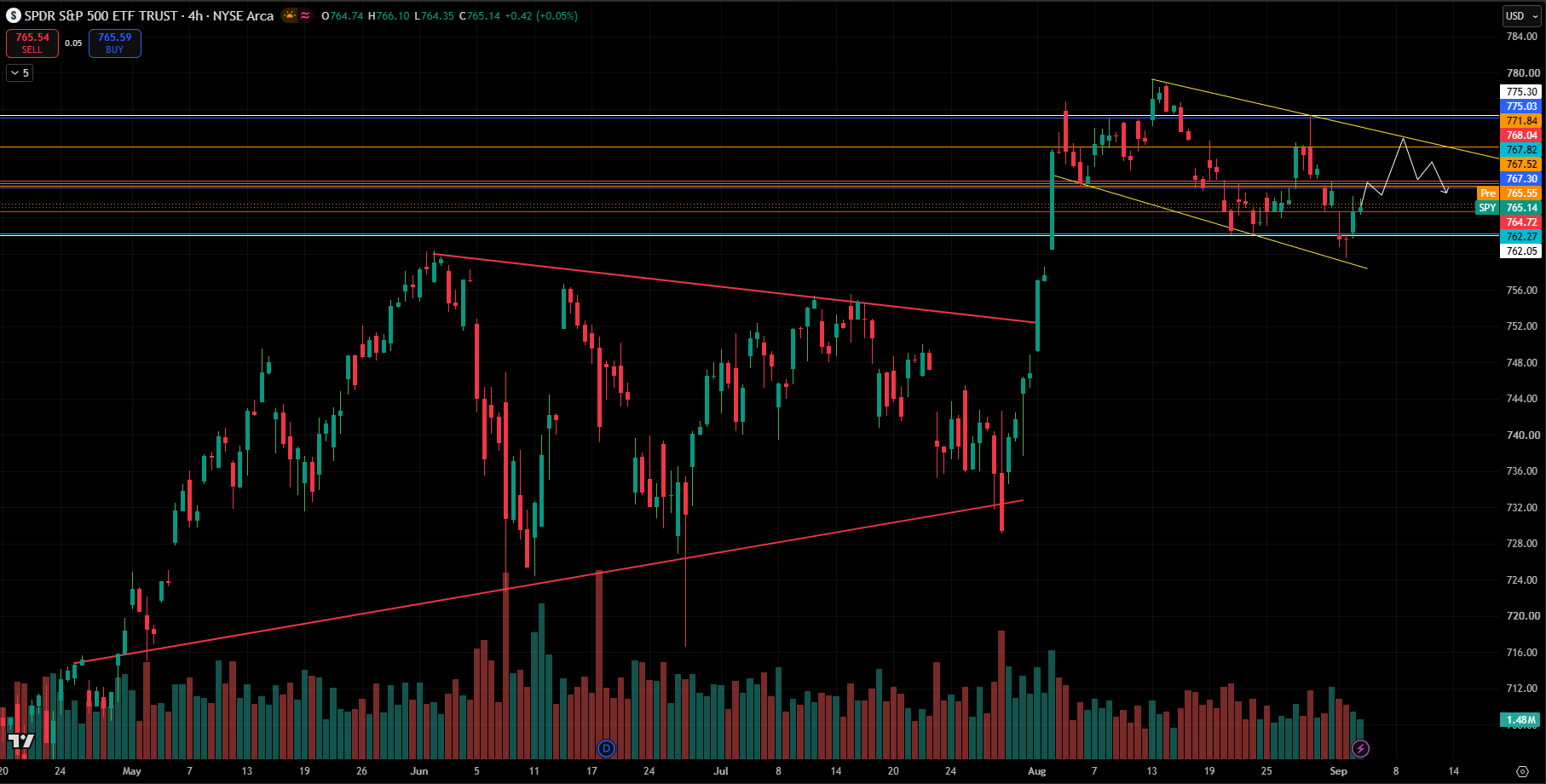
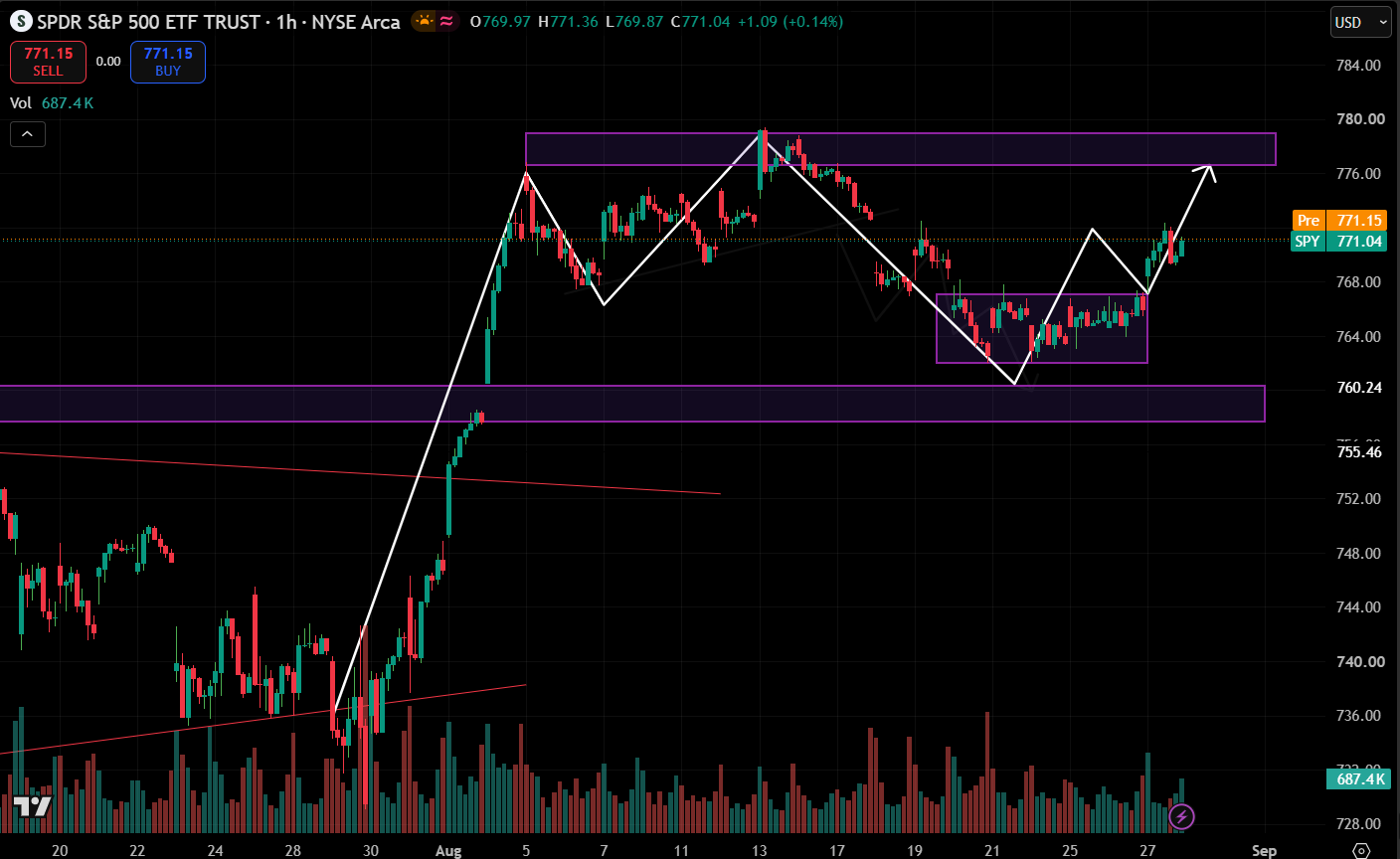
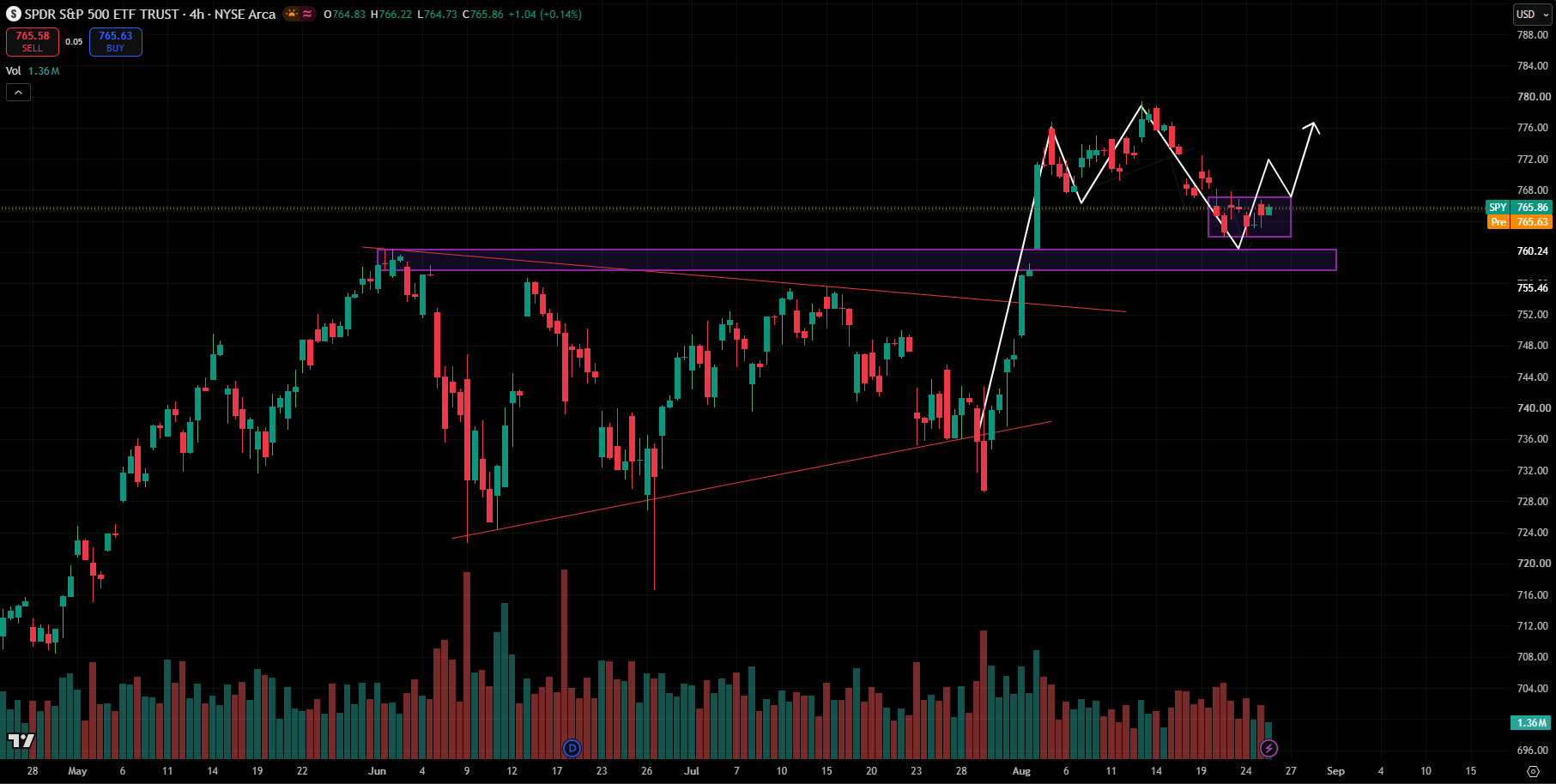
SPY is currently trading near its recent highs, and the trend is still strong on the upside. But if you look closely, we’ve seen a similar pattern before (Oct 2025) — and it’s worth paying attention.
Back in October:
Market made a new high
Everyone got bullish
Then suddenly, a sharp reversal happened
Price dropped quickly to the Fibonacci golden zone (around 0.618)
After that, it even retested the previous swing low (~$630)
Now, the current structure is starting to look similar:
Price is again near highs
Momentum is slowing a bit
RSI is also near higher levels (not much room left)
Key levels to watch now:
$694 → This is very important
21-day EMA
Previous breakout zone 👉 This should act as the first strong support
If this level breaks:
Next downside could be towards $680–$670 (Fib zone)
And in worst case, a deeper move towards $630 swing low
Simple takeaway for beginners:
Don’t blindly chase the market at highs
Markets often pull back after strong rallies
Always watch support levels before entering trades
👉 Trend is still up, but risk is increasing near highs. Manage your positions smartly with a strict stop loss level of $617, which is the ATH level.
Semiconductors Dominate Headlines — Cracks Appear After Massive Rally
The PHLX Semiconductor Index (^SOX) enters the week on a remarkable 18-session winning streak, gaining over 10% this week and nearly 50% year-to-date. Leading the surge, Intel has jumped almost 90% in April, while AMD has climbed around 65%, reflecting strong momentum across chipmakers.
However, early signs of fatigue are emerging as profit-taking begins to set in. Stocks like ARM Holdings, Broadcom, and Marvell have pulled back, with reports suggesting institutional investors are starting to sell into the rally.
Bottom line: The semiconductor trend remains bullish, but early distribution signals hint that a short-term consolidation or correction may be underway.
Semiconductor Rally Accelerates: AI Demand Fuels Nvidia, AMD Growth and Intel Comeback
Nvidia is clearly the AI leader by scale and dominance, AMD is the fast-growing challenger, and Intel is the turnaround story benefiting from AI CPU demand—all riding a massive multi-year AI-driven cycle.
NVIDIA
FY2026 revenue: $215.9 billion (+65% YoY)
Market cap: $5 trillion (world’s most valuable company)
Controls ~80% of AI accelerator market, dominating GPUs
Lithium Prices Hit 3-Month High on Surging EV Demand
Lithium carbonate prices in China climbed to CNY 173,000 per tonne, marking a three-month high and nearly 50% year-to-date surge, driven by strong EV battery demand and rising crude oil prices accelerating the shift toward clean energy vehicles.
Additional momentum is coming from global EV expansion, battery storage demand, and policy support—reinforcing lithium’s role as a critical raw material in the energy transition.
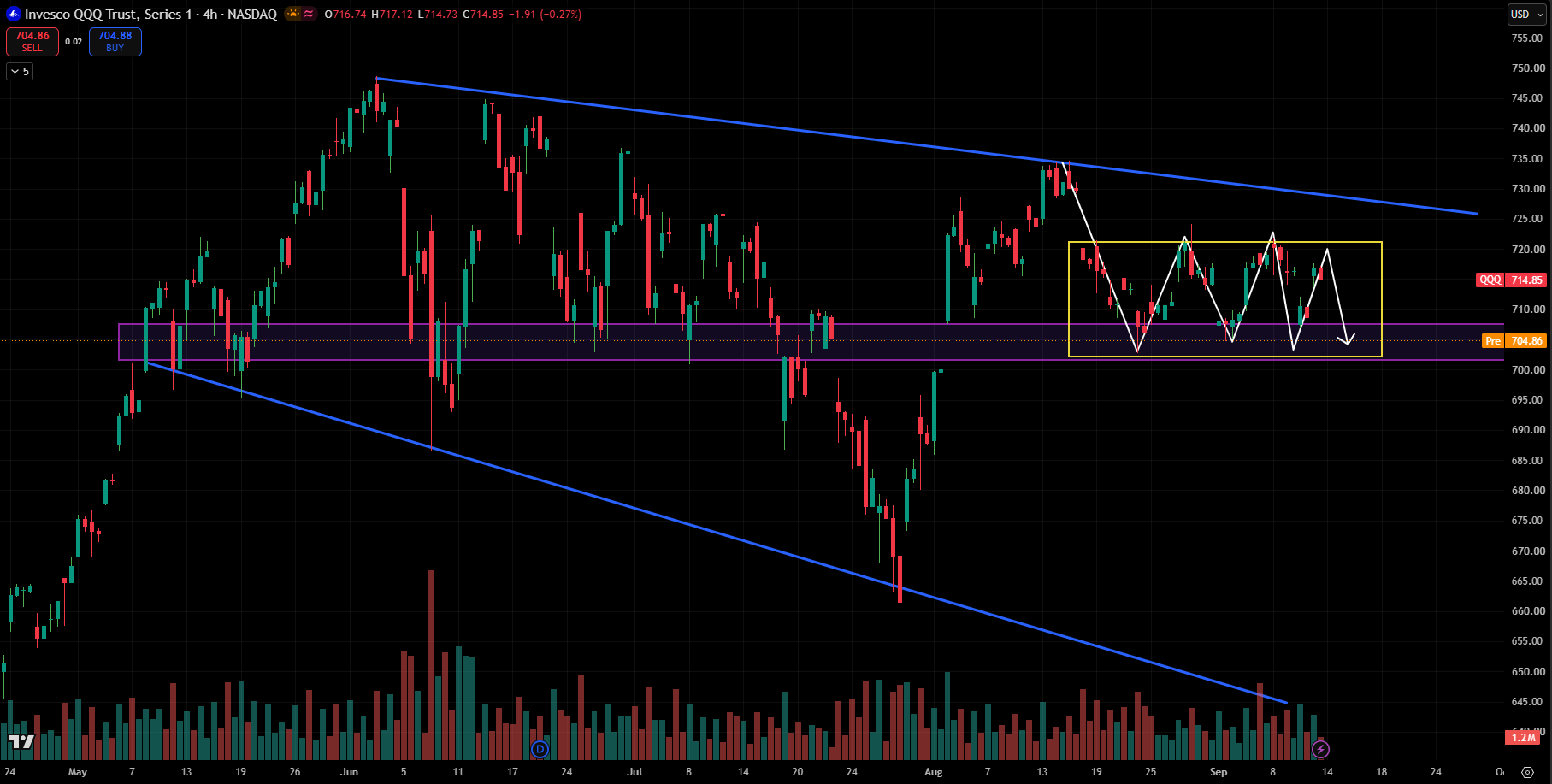
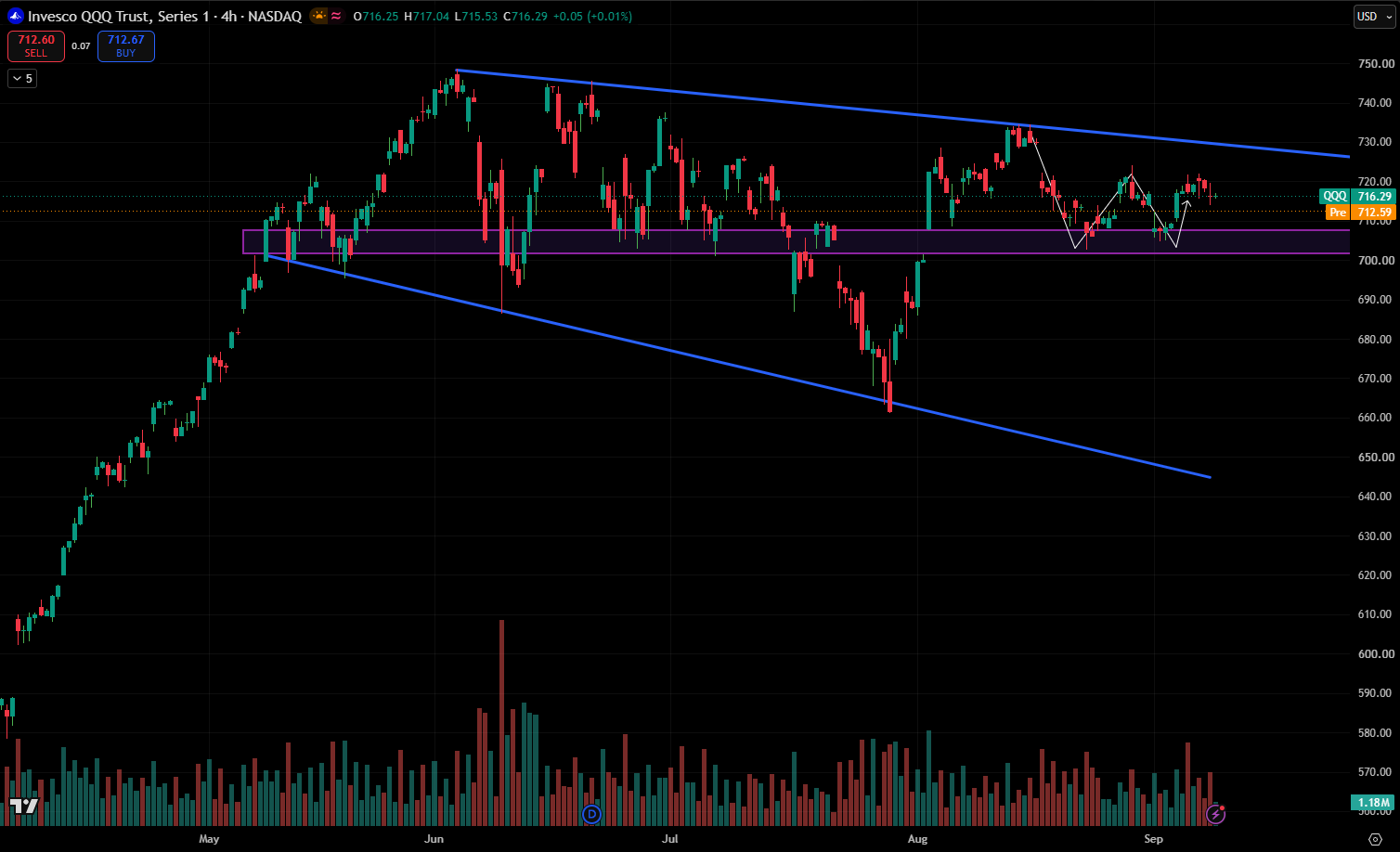
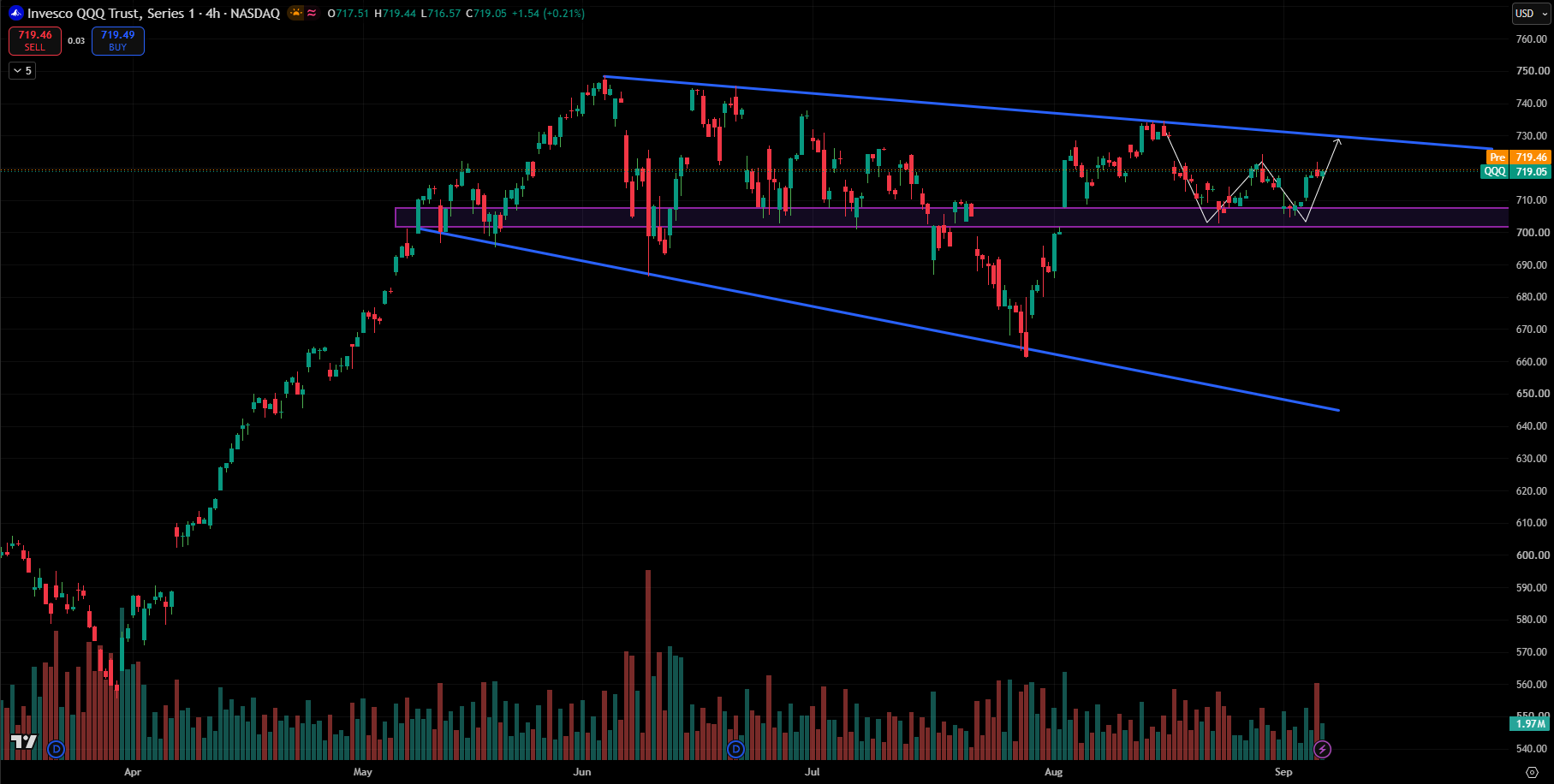
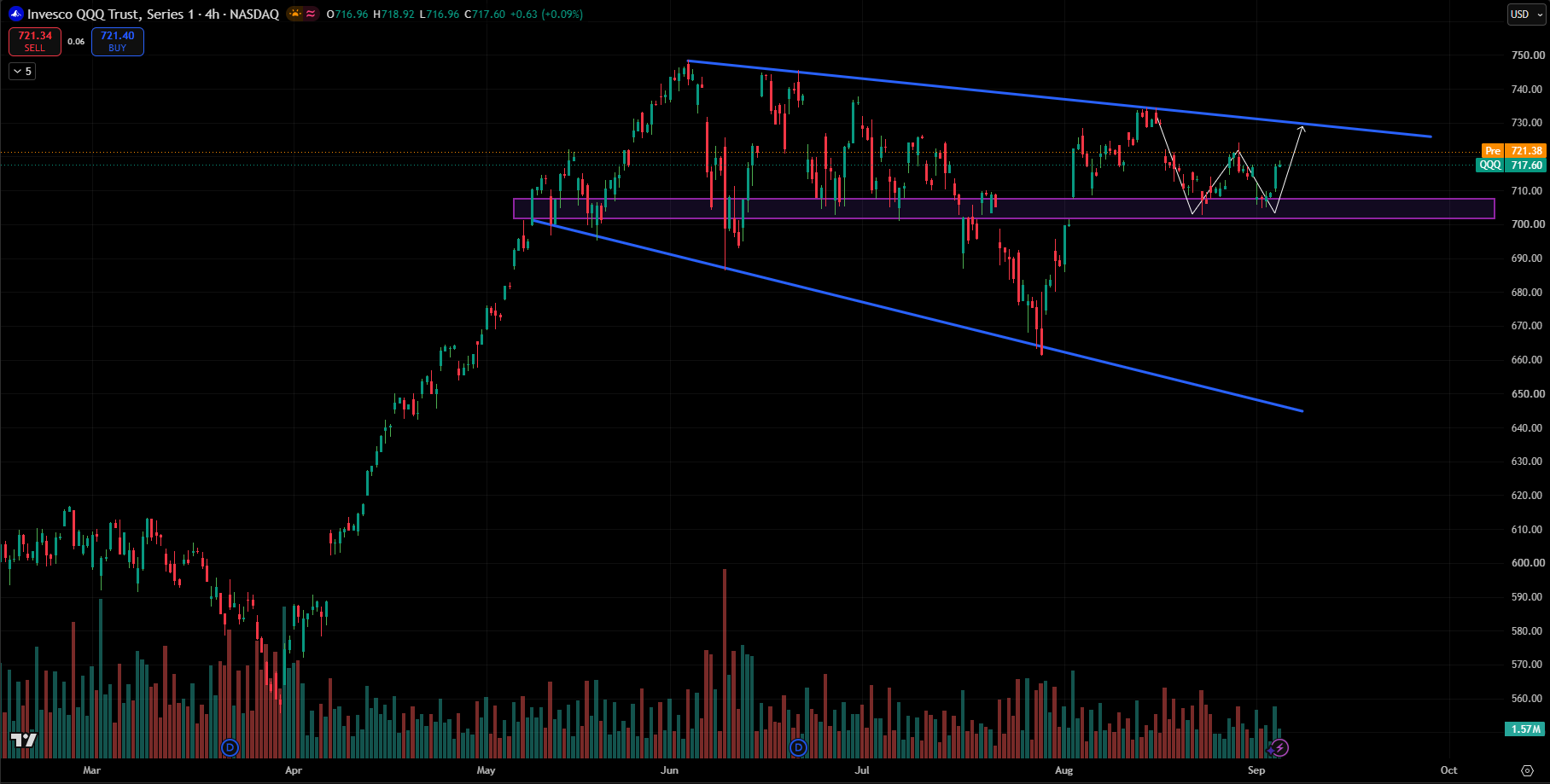
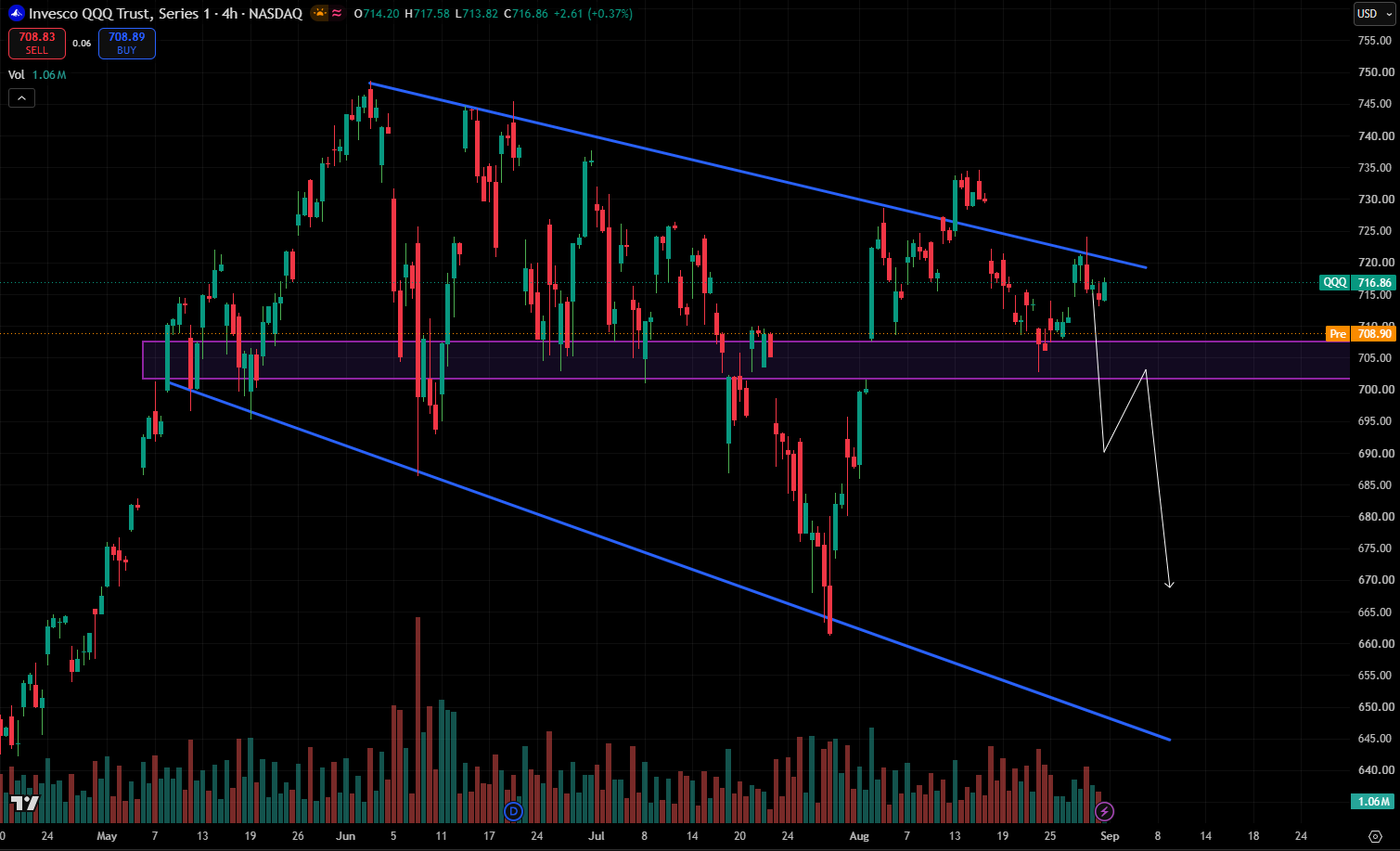
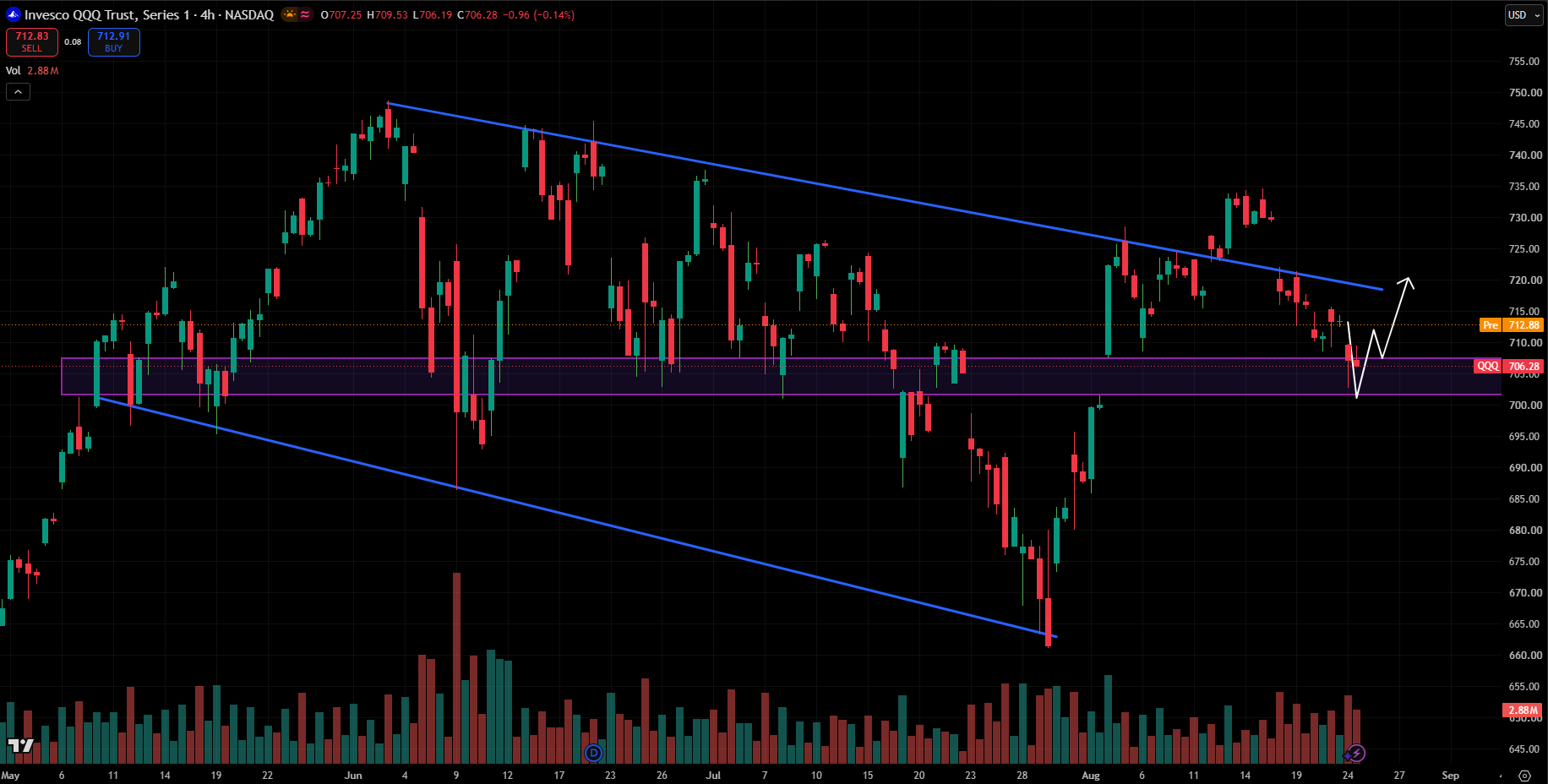
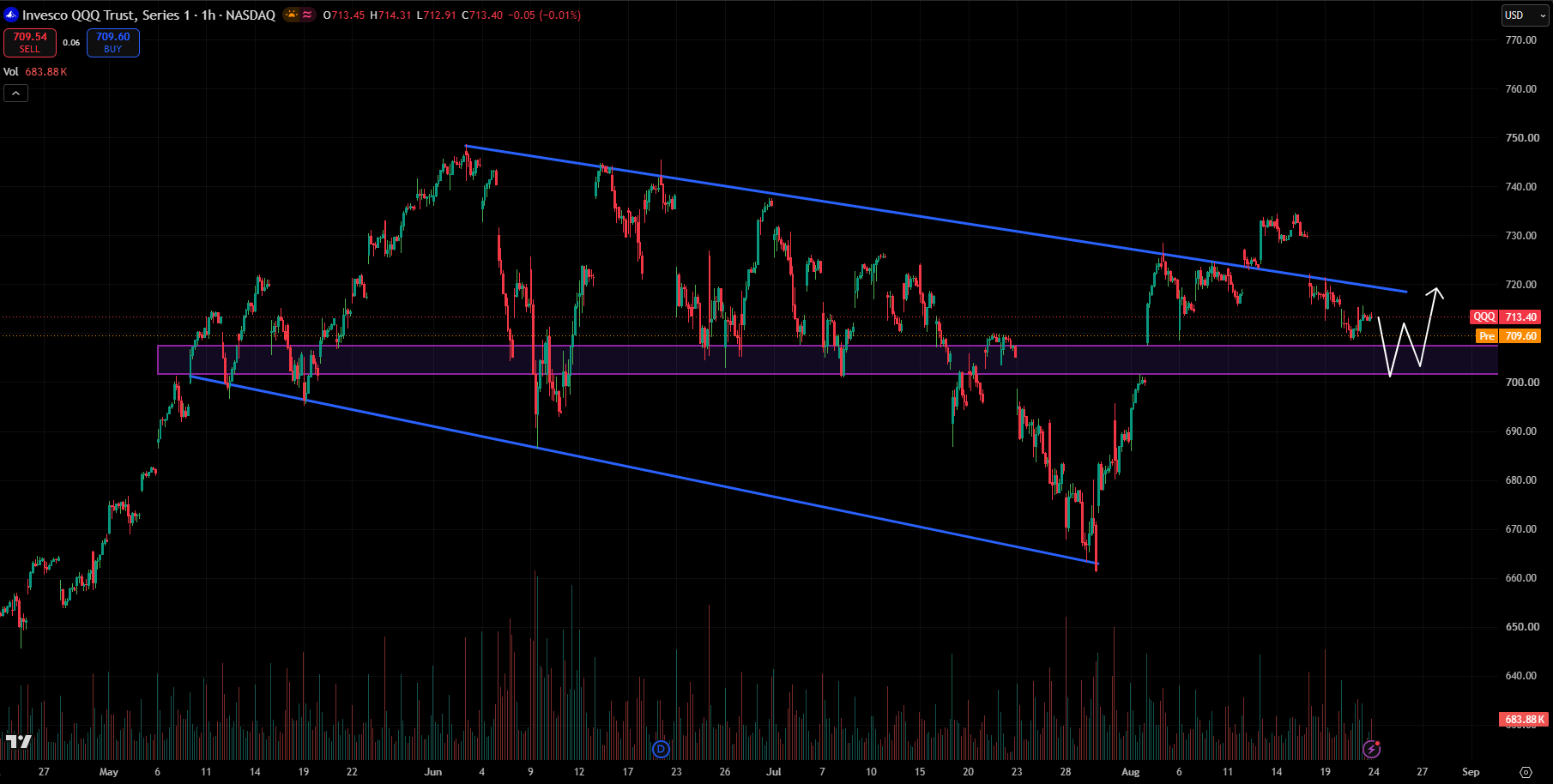
The trend remains firmly bullish, with price showing strong upside continuation. After a healthy pullback, QQQ has resumed its upward momentum, indicating buyers are back in control.
With the current structure, there is potential for an additional ~3% upside from here. As long as momentum sustains, the path of least resistance remains higher.
Avoid counter-trend trades—this is a market where following the trend is key for short-term positioning.
Expectation: A move toward the $676 zone within the next 3–4 trading sessions if momentum persists.
DocuSign (DOCU) — Undervalued Turnaround + AI Growth Story
DocuSign looks like a classic post-hype SaaS reset — strong cash flows, high margins, and now entering a new AI-driven growth cycle, while the stock is still trading near long-term support and listing price.
Fundamental Snapshot
FY26 Revenue: ~$3.2B (+8% YoY)
ARR: $3.27B (+8% YoY)
Gross Margin: ~80%+ (elite SaaS level)
Operating Margin: ~28–30% (improving)
Strong buybacks: $800M+ annually
~ This is no longer a “growth-at-any-cost” company — it's now a profitable SaaS compounder.
Growth Drivers (Why the market is missing it)
1. AI Platform Shift (IAM)
New Intelligent Agreement Management (IAM) platform is gaining traction
Already contributing $350M+ ARR
Early-stage adoption → long runway
~ Market is pricing DOCU like a mature e-signature tool, but it’s evolving into a full contract lifecycle AI platform
2. Expansion Opportunity
1.5M+ customers globally (large enterprise penetration still growing)
Cross-sell: CLM, analytics, automation
Recognized leader in contract lifecycle management (Gartner)
3. Margin + Cash Flow Story
80% gross margins = pricing power
Expanding operating margins (~30%)
Aggressive buybacks = shareholder yield
~ This is transitioning into a cash machine SaaS
Why Stock Is Still Cheap
Growth slowdown narrative (8–9% vs earlier hypergrowth)
Temporary billings pressure during AI transition
Market still anchored to post-COVID decline
~ Classic “perception lag vs reality improvement.”
Technical Analysis (From Chart)
🔑 Key Observations:
Multi-year strong demand zone: $40–45
Repeated higher timeframe support holds (5-6 touches)
Massive drawdown from ~$300 → deep value zone
Current Structure:
Price sitting near accumulation base
Downtrend likely losing momentum and price is consolidating.
Levels to Watch:
Support: $40–45 (major demand zone)
Resistance:
$51 (first breakout)
$67 & then $92 (supply zone)
$95+ ( Bullish trend confirmation)
Risk Factors
Growth still mid-single digit (not hypergrowth anymore)
Short-term bounce setup building in mining stocks.
Names like Newmont Corporation, First Majestic Silver, Agnico Eagle Mines, and others are showing base formation + breakout potential after a corrective phase.
With gold holding firm, miners look ready for a quick mean-reversion move/momentum pop — especially if resistance levels get cleared.
Gold supercycle backdrop intact: Gold prices have surged and sustained above ~$4,500, driving record margins (~70%) for major miners, which can fuel equity upside once sentiment flips.
Sector reset = opportunity: Despite strong gold prices, majors like Newmont are in a “trough year” with higher costs and lower production, leading to recent stock corrections — often where the best technical setups emerge.
Value Investor Michael Burry Accumulates JD.com & Alibaba Chinese Stocks
U.S.-listed shares of JD.com rose over 2% after renowned investor Michael Burry disclosed fresh purchases in both JD and Alibaba.
Burry — best known for predicting the housing crash highlighted in The Big Short — revealed in a recent post that he initiated a new position in Alibaba (~6%) while significantly increasing his stake in JD.com, which now represents a larger allocation.
He emphasized that recent weakness in Chinese tech stocks created an “attractive entry point,” signaling a value-driven accumulation strategy.
⚡Technical Analysis
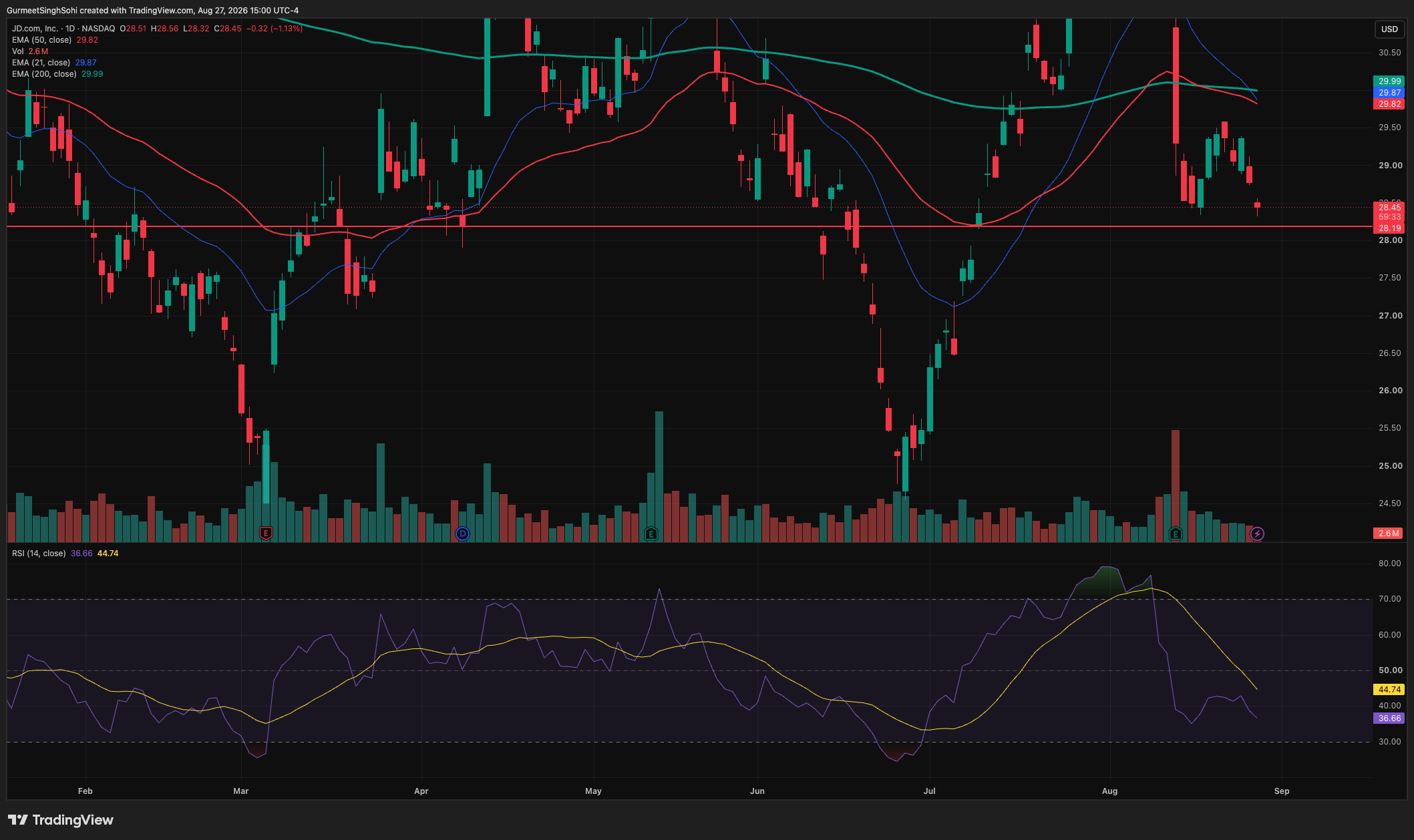
JD.com is holding a strong demand zone at $27–$30, suggesting a base formation after a prolonged downtrend. Upside remains toward $45–$48 resistance if support holds; breakdown below $27 would invalidate the setup.
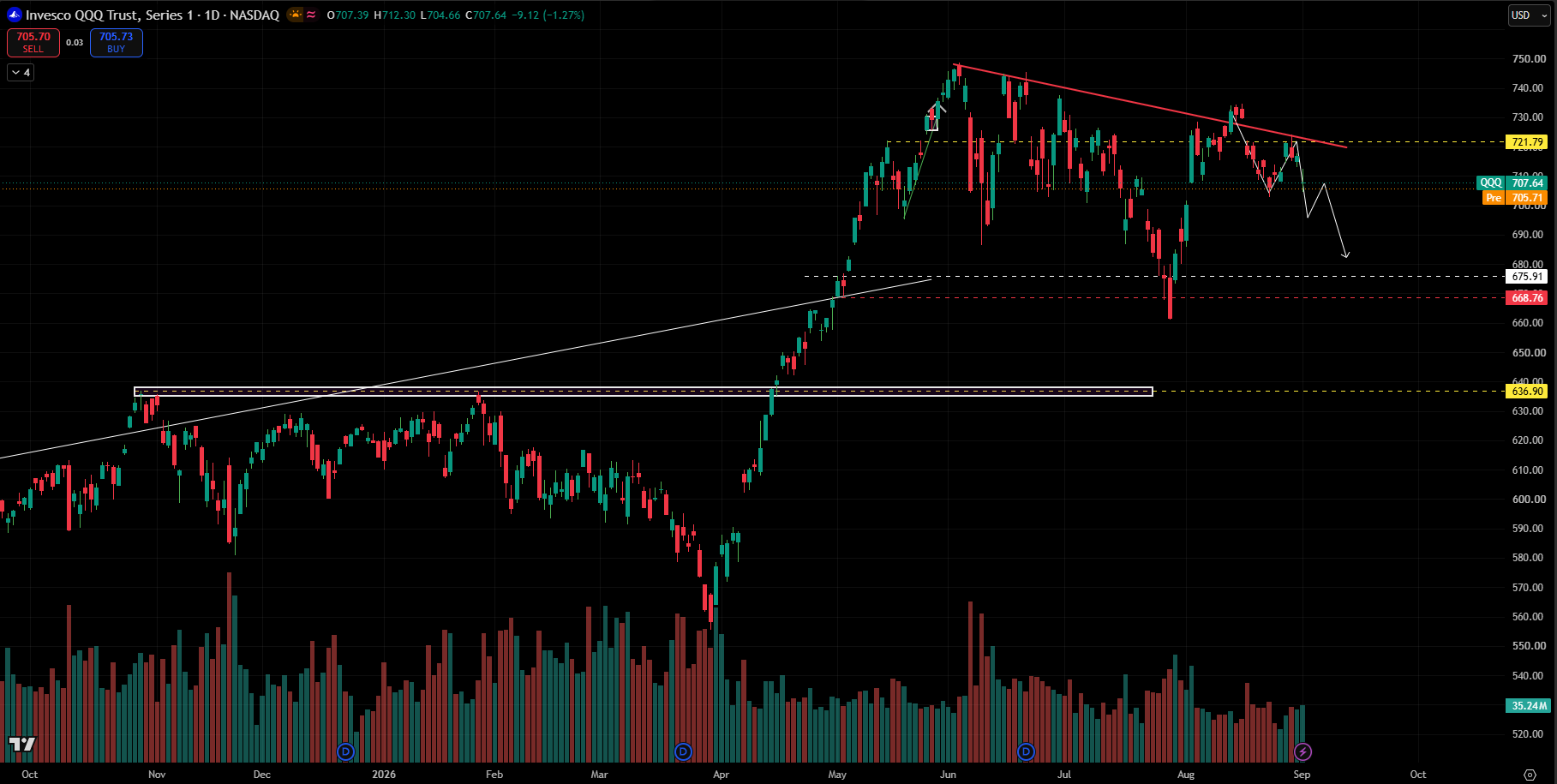
NASDAQ - Technical Chart Analysis (Downside expected to fill Gap).
The market looks like it’s setting a bull trap here. Expect downside continuation to fill the lower gap, with a potential move toward ~598 (-1.25%) by today's closing, aligning with key support and the 50-day EMA. Moving forward, it will try to fill the gap and continue its bearish momentum.
I’ve combined high-timeframe technical structure with a 10Y Revenue Exit DCF model, and the setup is starting to align with long-term value & technical bottoming out.
Fundamentals (DCF)
Price: $16.67
Fair Value: ~$24.46
Upside:~47%
~ Conservative assumptions still show clear undervaluation.
Also few option positions added in hedge Portfolio Tab (in our real Account)
NOTE: The following model portfolio is for educational purposes only. 📚 My goal is to show you the mechanics of how we manage short-term investments and risk. This is not a buy/sell recommendation or financial advice. Please do your own research (DYOR) before investing!
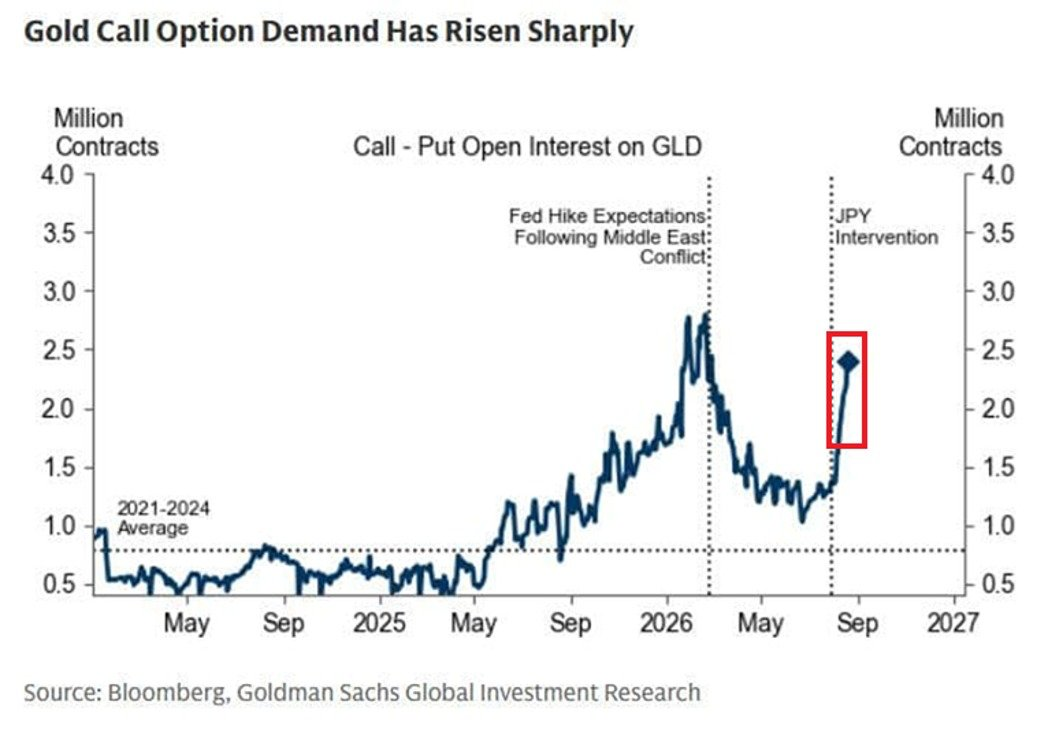
Beyond immediate geopolitical triggers, there are deeper structural shifts supporting gold:
There is a growing trend of oil trade diversification away from the U.S. dollar, with discussions around settlements in Chinese yuan (“petroyuan”), especially involving countries like Iran and China. This could gradually challenge dollar dominance in global energy markets.
At the same time, China has been consistently accumulating gold reserves, with central bank purchases continuing for over a year, reflecting a strategic move to reduce reliance on USD-based assets.
More broadly, global central banks have been increasing gold holdings as part of a de-dollarization trend, positioning gold as a neutral reserve asset in an increasingly fragmented financial system.
I wanted to give you guys a clear look at how I actually manage things behind the scenes—specifically how I handle short-term moves, manage risk, and stay on top of the market.
Whenever I make a move, I’ll update the sheet immediately so you can see the changes in real-time.
You’ll see everything: what I’m holding, the buy prices, and the position sizes.
Note to the group: The following model portfolio is for educational purposes only. 📚 My goal is to show you the mechanics of how we manage short-term investments and risk. This is not a buy/sell recommendation or financial advice. Please do your own research (DYOR) before investing!
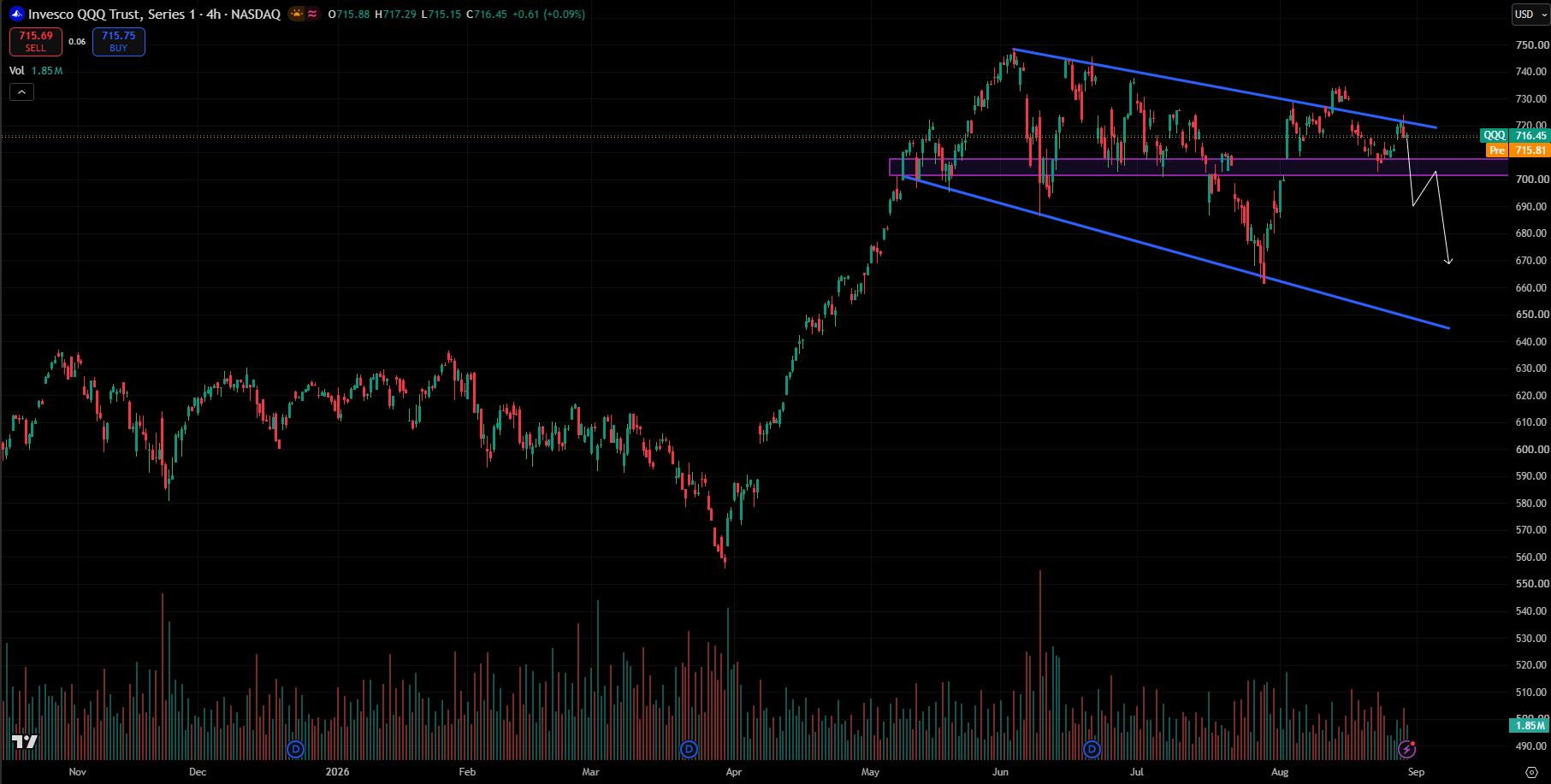
The chart shows a repeated range distribution phase after an uptrend, where price consolidates near highs before breaking down.
In both instances, price loses the range support and accelerates downward, indicating supply dominance.
The breakdown is followed by a sharp impulsive move with increased volatility, not a gradual decline.
After the initial drop, price attempts a weak relief bounce (lower high) before continuing lower.
This structure reflects a classic distribution → breakdown → continuation pattern, suggesting further downside bias.
Do you also see this repeating distribution-to-breakdown structure, or are you interpreting this price action differently? ~ I am expecting a further 10% downside in April from current levels.
Golden retracement support holding (0.618–0.65 zone): Price has reacted strongly around ~$96–98, indicating institutional demand and a high-probability reversal zone.
Double bottom formation developing: The recent price action shows a clear W-structure, suggesting potential trend reversal if the neckline (~$100) is reclaimed.
Trendline + structure confluence: Price is attempting to move back toward the broken ascending trendline — reclaiming this could trigger momentum toward $125–135.
Short-term bullish shift above EMAs: A move above 20 EMA (~$100) can act as confirmation for continuation, while failure keeps price range-bound.
Fundamental Perspective
Trading near depressed valuation levels: UPS is hovering close to its post-COVID lows, indicating valuation compression despite stable business fundamentals.
Strong logistics moat: As a global leader in parcel delivery, UPS benefits from long-term e-commerce tailwinds and supply chain dependency.
Margin pressure priced in: Recent weakness reflects cost pressures and volume slowdown — much of this negativity appears already discounted.
Cash flow + dividends support downside: UPS remains a strong cash-generating company with consistent dividend payouts, making it attractive for long-term investors.
There’s a special kind of corporate embarrassment that doesn’t come from blowing up, but from quietly losing the spotlight.
Nike is still the biggest sportswear brand on the planet. Still pulling in billions. Still everywhere on athletes. But with the stock sitting around $50 — near nine‑year lows and down about 70% from its 2021 high — Tuesday’s earnings come with one big question: is the reset actually working?
Three things matter right now.
Europe is slowing as consumers pull back, and premium sneakers are usually one of the first things to go. In the US, Nike’s attempt to rebuild its wholesale business is taking longer than hoped, with retailer relationships and profits still under pressure. And China just hasn’t bounced the way everyone expected — local brands are winning, sentiment is soft, and recovery keeps getting pushed out.
Wall Street expects about $11.1 billion in quarterly revenue, basically flat year over year but better than last year’s decline. Earnings are expected to come in at 29 cents a share. Nike beat last quarter, so expectations aren’t high — but they do exist.
What to watch Today
The numbers matter, but the real tell will be how management talks about China and wholesale. Are they calmly executing a plan, or quietly rewriting it? At $50, Nike looks cheap compared to its past. But cheap doesn’t mean the stock is done falling.
What’s your outlook for Nike? Share your views in the comments!
Adobe is trading at a major support zone near its COVID lows, and now even below it, signaling extreme fear and capitulation in the market.
The trend remains bearish (price below key EMAs), but RSI is deeply oversold, indicating a high probability of a short-term relief bounce.
Immediate upside can be seen toward 50 EMA / $320–$350 zone, while:
$285 - 325 reclaim → early strength
$435+ hold → potential trend shift
From a fundamental lens, trading below COVID levels reflects valuation compression at historically attractive levels for a high-quality, cash-generating, market-leading company.
This setup creates a classic case of: → Short-term bounce potential → Long-term accumulation opportunity if structure stabilizes
You need to login first to like posts and interact with the community.
Delete Post
Are you sure you want to delete this post?
Edit Post
Delete Comment
Are you sure you want to delete this comment?
Share Post
Link copied!
Notice
Add YouTube Video
Paste the full YouTube video URL
Disclaimer
Seeking Idea is an information platform intended solely to assist users in making their own financial assessments and strategies. All information provided on the website, including reports and content, is for reference purposes only and should not be construed as investment advice. Users are solely responsible for their investment decisions, and any use of Seeking Idea’s reports or information is entirely at their own risk. Past performance, historical data, or trends presented on the platform should not be relied upon as indicators of future outcomes.
Views expressed are opinions of contributors, users, collaborators, and hosts, and they are merely their opinions, and it does not constitute legal, financial, or public advice. Always consult certified professionals for personalized guidance.
Privacy Policy
Thank you for choosing to be part of our community at Seeking Idea ("Seeking Idea", "we", "us", "our"). We are committed to protecting your personal information and your right to privacy. If you have any questions or concerns about this privacy notice or our practices regarding your personal information, please contact us at seekingidea@gmail.com
At Seeking Idea, your privacy is important to us. This Privacy Policy explains how we collect, use, and protect your personal information when you visit our website.
1. Information We Collect
Personal Information: Your name and email address (if you sign up for a newsletter or contact us).
Optional Input: If you share stock ideas, watchlists, or feedback via forms.
2. How We Use Your Information
Respond to your inquiries or feedback.
Understand user behavior and improve the website.
Send optional updates or newsletters (only with your consent).
Monitor site usage and performance (via tools like Google Analytics).
3. Cookies and Tracking
Track website traffic and user interactions.
Enhance user experience.
You can disable cookies through your browser settings at any time.
4. Third-Party Services
We may use third-party tools for analytics or hosting, such as:
Google Analytics
Web hosting providers
These services may collect limited technical data. We do not sell or share your personal information for advertising or any commercial purpose.
5. Data Security
We take reasonable steps to secure your data using industry-standard technologies. However, no website can guarantee 100% security.
6. Your Choices
Opt out of emails or updates at any time.
Contact us to access, correct, or delete your data.
7. External Links
Our site may contain links to third-party sites. We are not responsible for the privacy practices of those sites.
8. Children’s Privacy
This website is not intended for individuals under the age of 13. We do not knowingly collect data from children.
9. Changes to This Policy
We may update this Privacy Policy periodically. Any changes will be posted on this page with a new effective date.
Login to add a comment